
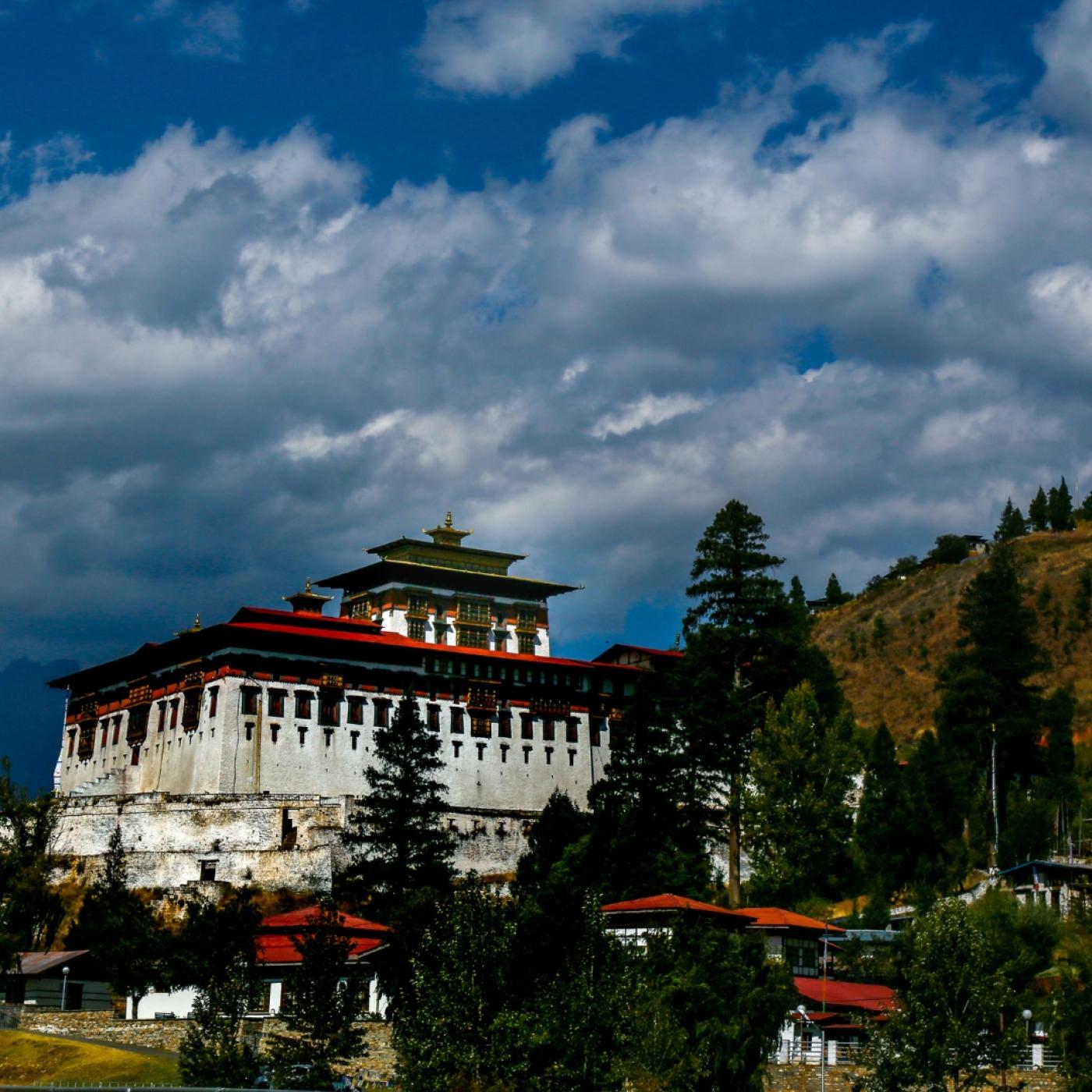
A Serene Gateway to Bhutan's Untouched Natural Beauty and Culture
Tucked away in the western part of Bhutan, Haa Town and the surrounding valley offer a peaceful escape for travelers seeking authenticity, nature, and cultural richness. Less frequented than other destinations, Haa is a hidden gem filled with alpine forests, yak pastures, and ancient temples. The valley's crisp air, charming traditional homes, and friendly locals create a welcoming ambiance that makes you feel instantly connected to Bhutanese life. The scenic trails here are ideal for hiking and mountain biking, offering breathtaking views of pine-covered hills and snowcapped peaks. Whether you're walking past prayer flag-lined ridges or exploring sacred sites like Lhakhang Karpo and Nagpo, the area promises a peaceful yet enriching experience. Haa is not just a destination—it’s a journey through timeless landscapes, untouched traditions, and spiritual simplicity.
Important Timings
|
Daily |
Open 24 hours (public areas/trails) |
|
Best Time |
7:00 AM – 10:00 AM for hikes |
Booking and Entry Fees
|
Entry Fee |
Free (for town and trails) |
|
Monastery Visit |
Voluntary donations accepted |
|
Hiking Permits |
Not required for short valley trails |
History and Legacy
Haa Valley holds immense historical and cultural value in Bhutanese heritage. Historically, it served as an important trading route between Tibet and Bhutan. Known as “Hidden Land Rice Valley,” Haa remained isolated for centuries and was only opened to tourists in 2002, preserving its pristine charm. The region is believed to be spiritually blessed by Padmasambhava (Guru Rinpoche), with the twin temples Lhakhang Karpo (White Temple) and Lhakhang Nagpo (Black Temple) constructed under the guidance of Tibetan King Songtsen Gampo in the 7th century.
The valley is also the origin of the Haa Summer Festival, a vibrant celebration of local nomadic culture, traditional sports, yak herding, and cuisine. Locals take pride in their heritage, and visitors will witness the unfiltered lifestyle of Bhutanese farmers, monks, and craftsmen. Unlike more modernized towns, Haa retains its rustic beauty and traditional structures, offering a rare and genuine connection to Bhutan’s roots.
Nearby Destinations
|
Chele La Pass |
22 km |
1 hr |
Car/Bike |
|
Lhakhang Karpo & Nagpo |
1.5 km |
5 mins |
Walk/Car |
|
Paro Town |
65 km |
2 hrs |
Car |
|
Haa Dzong |
2 km |
10 mins |
Walk/Car |
Tourist Guidelines & Tips
- Dress modestly when visiting monasteries or festivals
- Carry cash – ATMs and cards are rarely accepted
- Always seek permission before photographing locals or monks
- Best season: Spring (Mar-May) and Autumn (Sep-Nov)
- Wear sturdy shoes for trekking and walking trails
- Respect local customs – avoid loud behavior in temples
Top Things to Buy Near Haa Valley
- Yak wool scarves and shawls
- Handmade wooden bowls
- Haa Valley honey and herbal teas
- Traditional Bhutanese butter lamps
- Locally crafted incense and prayer beads
Top Things and Places to Eat Nearby
- Farmhouse Meals (Pre-arranged) – Enjoy homemade Hoentay (dumplings), red rice, and ema datshi
- Soednam Zingkha Heritage Lodge – Authentic Bhutanese cuisine in a heritage setting
- Local Teahouses – Try suja (butter tea) and local snacks
- Roadside Cafés – Warm soups and momos for trekkers and bikers