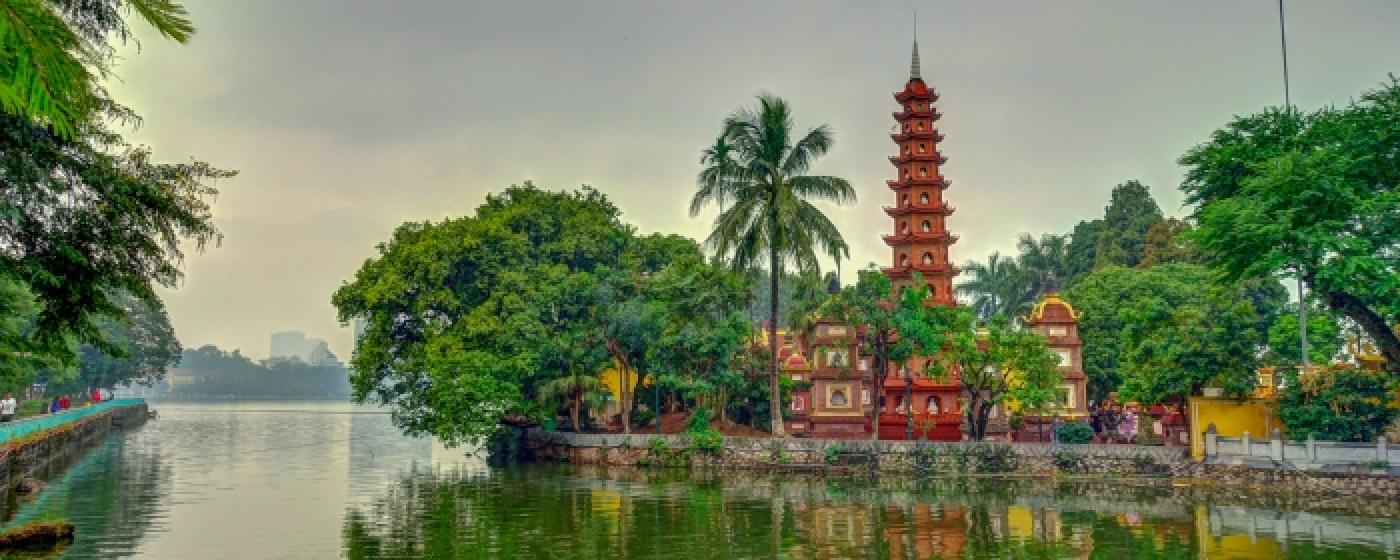

A Monument Honoring Vietnam’s Great Leader
The Ho Chi Minh Mausoleum, located in Hanoi’s Ba Dinh Square, is one of Vietnam’s most revered landmarks. It serves as the final resting place of President Ho Chi Minh, the founding father of modern Vietnam. Constructed from 1973 to 1975, the mausoleum reflects a blend of Vietnamese architectural style and influences from Lenin’s Mausoleum in Moscow. Visitors can witness the preserved body of Ho Chi Minh, a figure deeply respected for his leadership and dedication to Vietnamese independence. The surrounding gardens feature trees and plants from across Vietnam, symbolizing national unity. Visiting the mausoleum is not just a sightseeing experience but also a journey into the country’s political and cultural history. A visit here offers solemnity, respect, and a deeper understanding of Vietnam’s national pride.
Important Timings
| Opening Days | Hours | Closure Details |
|---|---|---|
| Tuesday to Thursday, Saturday & Sunday | 7:30 AM – 10:30 AM | Closed on Mondays & Fridays; also closed for maintenance in September–November |
Booking and Entry Fees
| Entry Fee | Photography Policy | Ticket Information |
|---|---|---|
| Free of charge for all visitors | Not allowed inside the mausoleum | No advance booking required; entry on a first-come, first-served basis |
History and Legacy
Construction of the Ho Chi Minh Mausoleum began on September 2, 1973, exactly 24 years after Ho Chi Minh declared Vietnam’s independence. Completed in 1975, the structure was inspired by Soviet monumental architecture while incorporating Vietnamese cultural elements. Built from granite, it features inscriptions of “Chủ tịch Hồ Chí Minh” (President Ho Chi Minh) in crimson stone, symbolizing his enduring presence.
Inside the mausoleum lies Ho Chi Minh’s embalmed body, preserved against his personal wishes for a simple cremation. Despite this, the Vietnamese government chose to honor him with a monumental resting place as a symbol of national unity. The mausoleum is surrounded by lush gardens containing plants from all over Vietnam, representing the diverse yet united nature of the country. Today, it stands as both a political landmark and a place of pilgrimage for Vietnamese citizens and visitors who wish to pay their respects to “Uncle Ho.”
Nearby Destinations
|
Destination |
Distance |
Travel Time |
Mode of Transport |
|---|---|---|---|
|
One Pillar Pagoda |
300 m |
5 mins |
Walk |
|
Presidential Palace |
500 m |
8 mins |
Walk |
|
Ho Chi Minh Museum |
400 m |
6 mins |
Walk |
|
Temple of Literature |
2 km |
10 mins |
Taxi/Cycle |
|
Hanoi Old Quarter |
3 km |
12 mins |
Taxi/Cycle |
Tourist Guidelines & Tips
- Dress modestly (no shorts, sleeveless tops, or mini skirts)
- Remain silent and respectful inside the mausoleum
- Bags, cameras, and phones may need to be deposited at the entrance
- Arrive early to avoid long queues
- The visit is brief, usually under 10 minutes inside the mausoleum
Top Things to Buy Near Hanoi
- Vietnamese conical hats (nón lá)
- Silk scarves and ao dai (traditional dress)
- Coffee beans and tea leaves
- Handcrafted lacquerware
- Souvenir magnets and postcards featuring Ho Chi Minh
Top Things and Places to Eat Nearby
- KOTO Van Mieu: Vietnamese & Asian fusion cuisine
- Quan An Ngon: Traditional street-style Vietnamese dishes
- Banh Mi 25: Famous Vietnamese baguette sandwiches
- Cong Caphe: Iced coconut coffee and retro vibes
- Pho Ly Quoc Su: Authentic Hanoi-style pho