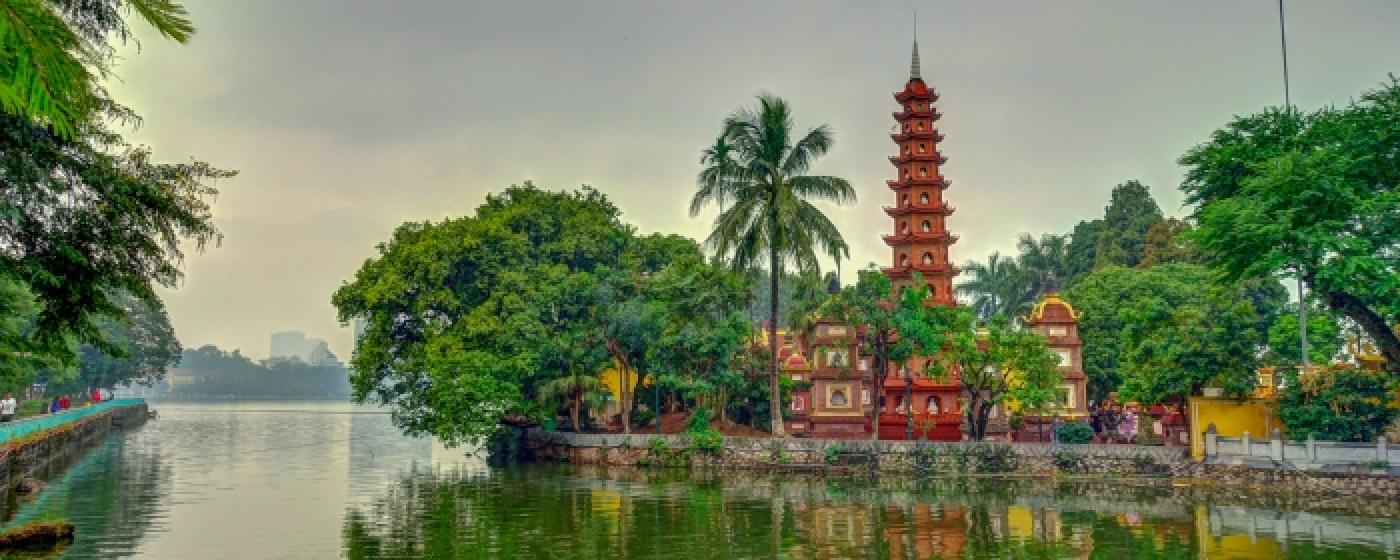

A Journey Back in Time
Hoi An Ancient Town, a UNESCO World Heritage Site in central Vietnam, is a living museum of history, culture, and architecture. Known for its well-preserved streets, vibrant lanterns, and charming old buildings, Hoi An takes you back to the 15th to 19th centuries when it was a bustling trading port. Walking through its narrow lanes, you’ll find Chinese temples, Japanese merchant houses, wooden shophouses, and the iconic Japanese Covered Bridge. By day, the town is filled with the scent of fresh herbs and the sound of tailor’s sewing machines, while by night, thousands of colorful lanterns create a magical glow. Hoi An is also famous for its culinary delights, traditional handicrafts, and nearby scenic spots. Whether you come for history, photography, shopping, or just to soak in the atmosphere, Hoi An will leave you enchanted and longing to return.
Important Timings
| Opening Hours | Best Visiting Time | Closed |
|---|
| 8:00 AM – 10:00 PM (Walking street zones apply in the evening) | 4:00 PM onwards for evening lantern view | Open daily |
Booking and Entry Fees
| Ticket Type | Details |
|---|---|
| Entry Ticket | Approx. 120,000 VND (covers entry to five heritage sites) |
| Free Entry | Walking through main streets without entering heritage buildings |
History and Legacy
Hoi An’s history dates back over 2,000 years, but its golden age was between the 15th and 19th centuries when it became one of Southeast Asia’s busiest trading ports. Merchants from China, Japan, India, and Europe traded silk, spices, ceramics, and precious stones here. This cultural exchange left a deep imprint on Hoi An’s architecture, cuisine, and traditions, which remain preserved to this day.
The Ancient Town’s unique layout reflects a blend of indigenous and foreign influences, with yellow-painted shophouses, carved wooden facades, Chinese assembly halls, and Japanese bridges. Declared a UNESCO World Heritage Site in 1999, Hoi An has become a cultural treasure that carefully balances tourism with preservation. Traditional festivals like the Lantern Festival, held monthly on the full moon, continue to attract visitors from around the world. Today, Hoi An stands as a timeless symbol of Vietnam’s trading history, cultural harmony, and artisanal heritage.
Nearby Destinations
|
Destination |
Distance |
Travel Time |
Mode of Transport |
|---|---|---|---|
|
An Bang Beach |
5 km |
10 mins |
Taxi/Bike |
|
My Son Sanctuary |
40 km |
1 hour |
Taxi/Bus |
|
Marble Mountains |
20 km |
30 mins |
Taxi/Bike |
|
Da Nang City |
30 km |
45 mins |
Taxi/Bus |
|
Tra Que Vegetable Village |
3 km |
10 mins |
Bicycle |
Tourist Guidelines & Tips
- Wear comfortable walking shoes for exploring the lanes.
- Visit in the late afternoon to enjoy the lantern-lit streets.
- Carry cash (small notes) for street food and souvenirs.
- Respect heritage buildings by not touching artifacts.
- Try a tailor shop for custom-made clothes within 24 hours.
Top Things to Buy Near Hoi An
- Handcrafted silk lanterns
- Tailor-made suits and dresses
- Leather bags and sandals
- Vietnamese tea and coffee
- Traditional pottery from Thanh Ha Village
Top Things and Places to Eat Nearby
- Cao Lau – A local noodle specialty unique to Hoi An
- Bánh mì Phượng – Famous Vietnamese baguette sandwiches
- White Rose Dumplings – Delicate steamed dumplings
- Morning Glory Restaurant – Authentic Vietnamese dishes
- Café de Amis – Fusion and traditional cuisine with riverside views