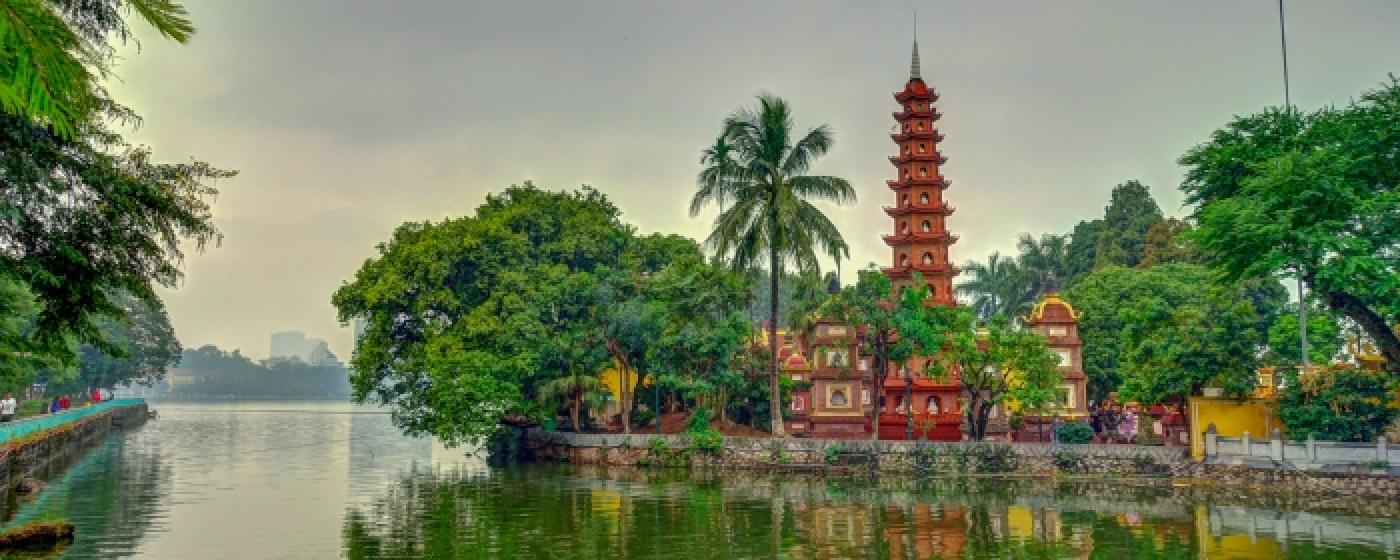

Timeless Charm in the Heart of Hoi An
The Japanese Covered Bridge, locally known as Chùa Cầu, is one of Hoi An’s most treasured landmarks. Built in the early 17th century by the Japanese community, this beautifully preserved wooden bridge stands as a symbol of cultural exchange and architectural brilliance. With its curved roof, intricate carvings, and distinct mix of Japanese, Chinese, and Vietnamese styles, the bridge offers a picturesque spot for photography and sightseeing. It was originally constructed to connect the Japanese and Chinese quarters across a small canal, reflecting the harmonious coexistence of these communities. Walking across the bridge feels like stepping back in time, with the gentle sounds of the water below and the soft fragrance of incense from nearby temples. Whether you visit during the day or at night when it’s softly lit, the Japanese Covered Bridge is an unmissable highlight of Hoi An’s Ancient Town.
Important Timings
| Open Days & Hours | Visiting Tip |
|---|---|
| Daily: 8:00 AM – 10:00 PM | Evening visits are recommended for fewer crowds and beautiful lighting |
Booking and Entry Fees
| Entry Fee Inclusion | Additional Ticket Requirement |
|---|---|
| Included in Hoi An Ancient Town ticket (~120,000 VND per person) | No separate ticket for the bridge itself |
History and Legacy
The Japanese Covered Bridge was constructed around the year 1590 by Hoi An’s Japanese trading community, who were significant contributors to the city’s prosperity during its golden era as an international port. The bridge not only served as a physical link between the Japanese and Chinese quarters but also as a symbol of peace and friendship between these communities.
Its architecture is an exquisite fusion of Japanese engineering, Vietnamese craftsmanship, and Chinese decorative motifs. The bridge is roofed to shield pedestrians from the sun and rain, and its structure rests on sturdy wooden piers. At one end of the bridge stands a small pagoda dedicated to the Taoist god of weather, Tran Vo Bac De, believed to protect Hoi An from floods and natural disasters.
Through centuries of wear, restoration efforts have preserved its authentic charm, making it a living monument that continues to draw locals and tourists alike. Today, the Japanese Covered Bridge remains one of the most photographed and culturally significant sites in Vietnam, embodying Hoi An’s spirit of multicultural heritage.
Nearby Destinations
|
Destination |
Distance |
Travel Time |
Mode of Transport |
|---|---|---|---|
|
Hoi An Ancient Town Market |
400 m |
5 min walk |
On foot |
|
Tan Ky Old House |
350 m |
4 min walk |
On foot |
|
Cantonese Assembly Hall |
300 m |
4 min walk |
On foot |
|
An Bang Beach |
5 km |
15 min |
Taxi/Bicycle |
|
Tra Que Vegetable Village |
3 km |
10 min |
Bicycle |
Tourist Guidelines & Tips
- Visit early morning or late evening to avoid crowds.
- Wear comfortable shoes for walking on cobblestone streets.
- Be respectful inside the pagoda—avoid loud talking and photography in sacred spots.
- Carry water and sunscreen, especially in summer.
- Evening visits offer beautiful lighting for photography.
Top Things to Buy Near Hoi An
- Silk lanterns
- Handmade leather goods
- Vietnamese silk scarves
- Bamboo souvenirs
- Local art and paintings
Top Things and Places to Eat Nearby
- Morning Glory Restaurant – Traditional Vietnamese cuisine
- Cao Lầu Liên – Authentic Cao Lầu noodles
- Bánh Mi Phượng – Famous Vietnamese sandwiches
- Reaching Out Tea House – Quiet spot for tea and coffee
- Mót Hoi An – Herbal drinks and light snacks